
COURSE OVERVIEW
The Corrosion Engineering: Monitoring, Prevention, and Control course is designed to provide participants with a comprehensive understanding of corrosion mechanisms, monitoring techniques, and strategies for prevention and control in industrial environments.

COURSE OBJECTIVES
Participants will learn how to
- Understand the fundamentals of corrosion and the mechanisms that lead to material degradation.
- Identify common types of corrosion affecting metals and alloys in industrial applications.
- Select appropriate materials and protective systems to minimize corrosion risk.
- Implement effective corrosion monitoring programs, including inspection, testing, and data analysis.
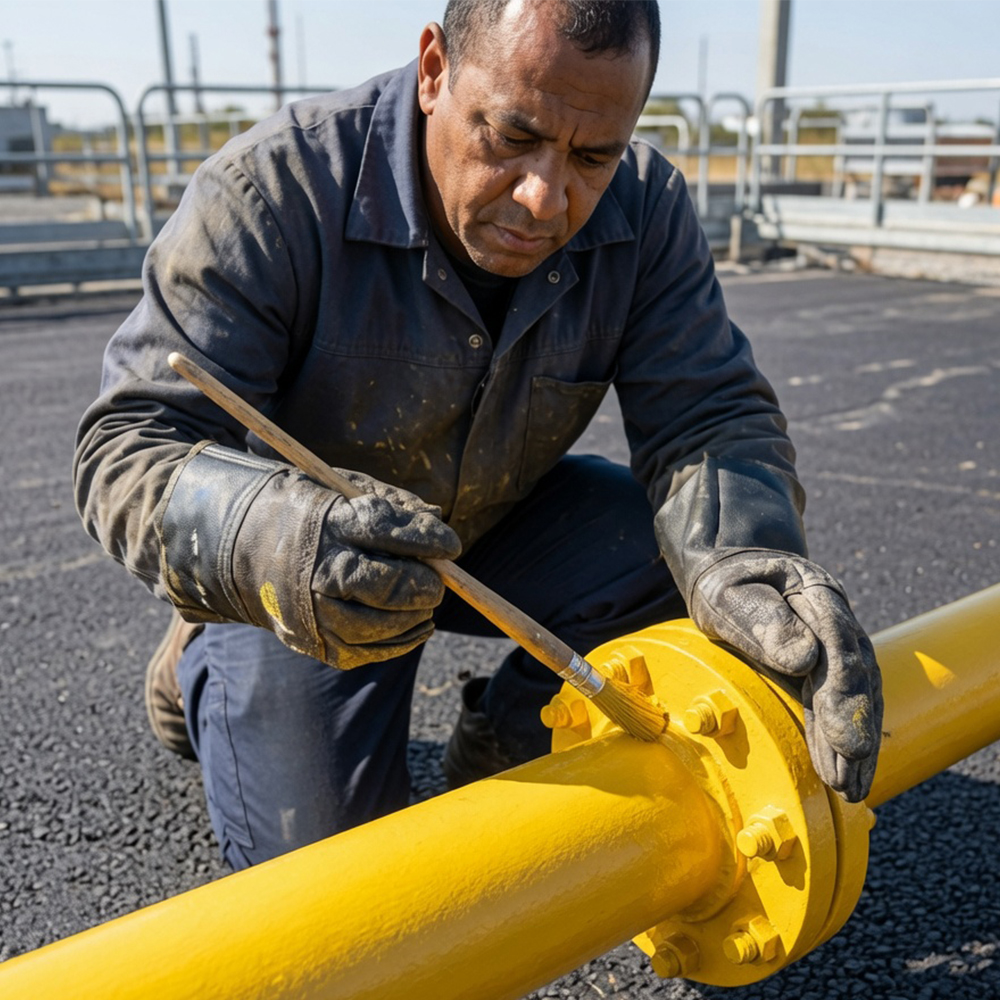
- Apply corrosion-prevention and control techniques such as coatings, catholic protection, and chemical inhibitors.
- Assess and manage corrosion-related risks in the design, operation, and maintenance of industrial assets.
- Develop maintenance and mitigation strategies to enhance equipment reliability and safety
WHO SHOULD JOIN?
This course is suitable and will especially benefit
- Corrosion Engineers and Material Engineers
- Mechanical and Maintenance Engineers
- Inspection and QA/QC Professionals
- Plant Operators and Supervisors
- Asset Integrity and Reliability Engineers
- Professionals working in oil & gas, petrochemical, and industrial sectors
- Anyone responsible for equipment maintenance and safety

COURSE METHODOLOGY
This course is delivered with a practical as well as theoretical learning approach, including
- Instructor-led expert sessions
- Real-life industry case studies
- Group discussions and knowledge sharing
- Practical examples and problem-solving exercises
- Corrosion assessment and monitoring techniques demonstrations
COURSE DURATION
COURSE CERTIFICATES
Participants will be awarded a Certificate of Completion after finishing the required contact hours.
FAQS
What is corrosion engineering?
Corrosion engineering focuses on understanding, preventing, and controlling the deterioration of materials caused by environmental and chemical reactions.
Why is corrosion control important?
It helps extend equipment life, reduce maintenance costs, and improve safety in industrial operations.
What industries benefit from this course?
Industries such as oil & gas, petrochemical, marine, construction, and power generation benefit significantly.
Do I need prior experience to attend?
Basic engineering or industrial knowledge is helpful but not mandatory.
What techniques are covered in this course?
Techniques include coatings, catholic protection, corrosion monitoring, and use of chemical inhibitors.
Will I get practical knowledge from this training?
Yes, the course includes real-world examples and practical approaches to corrosion management.
Have questions about our training programs or need a customized corporate solution?