
COURSE OVERVIEW
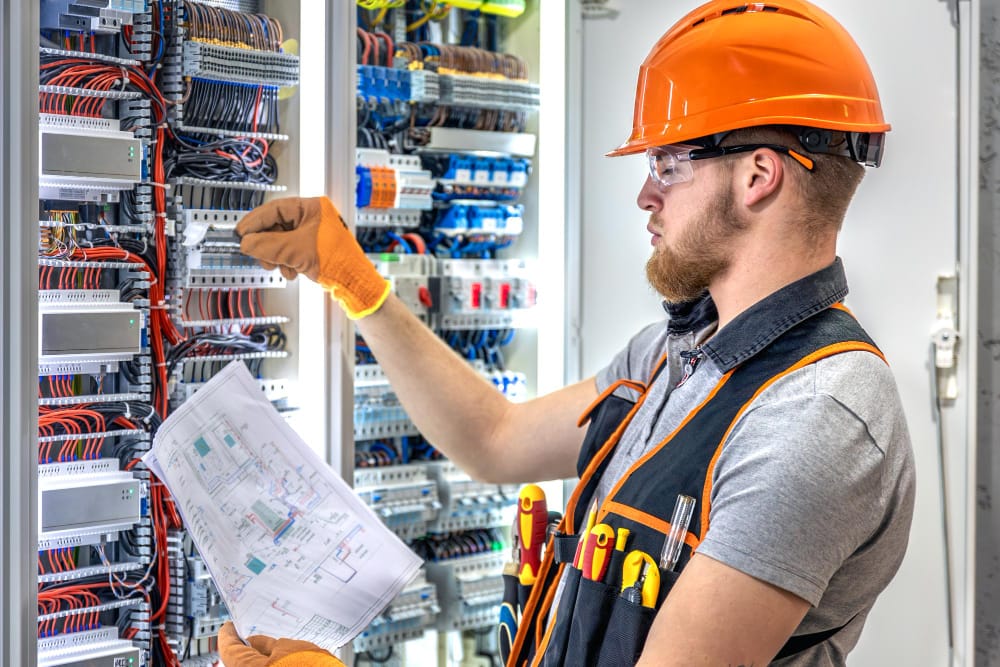
This training provides participants with in-depth knowledge and practical skills for proper cable glanding and termination. Cable glanding and termination are critical steps in ensuring the safety, reliability, and efficiency of electrical installations.
The course focuses on the selection, installation, and inspection of cable glands and terminations in compliance with industry standards and safety regulations
COURSE OBJECTIVES
Participants will learn how to
- Electrical engineers and technicians
- Maintenance personnel
- Industrial electricians
- Installation supervisors
- Electrical contractors and installers
- Professionals involved in electrical installation and maintenance work
WHO SHOULD JOIN?
This course is suitable for
- Students and job seekers
- Office staff and professionals
- Teachers and educators
- Entrepreneurs and freelancers
- Beginners with basic computer knowledge
- Anyone looking to improve office productivity skills

COURSE METHODOLOGY
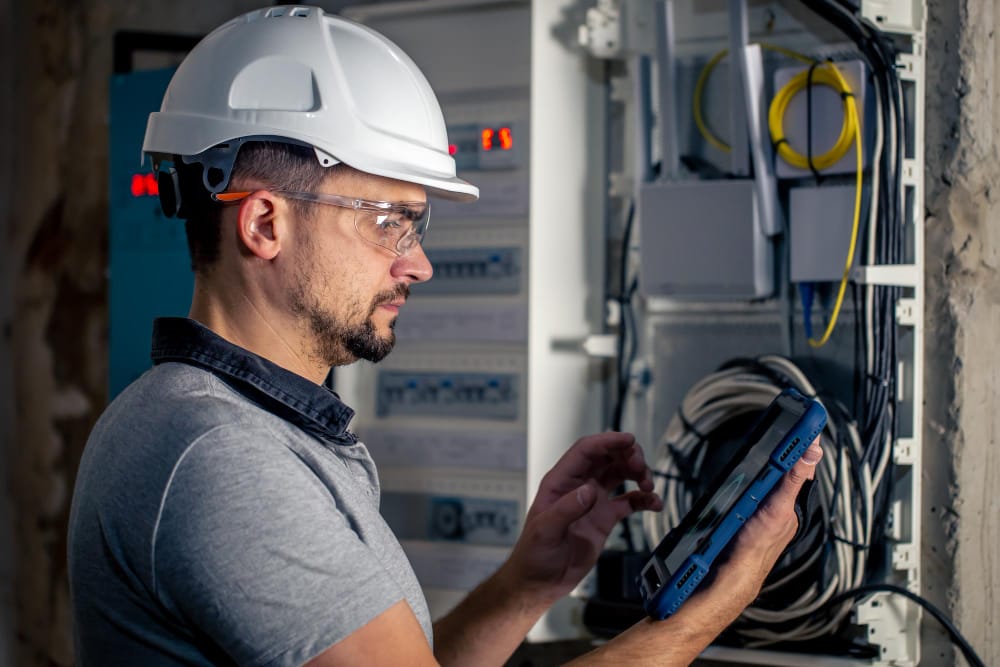
Facilitated by an experienced trainer, this program is delivered as a highly interactive and hands-on practical workshop rather than traditional lectures.
The methodology includes:
- Instructor-led practical demonstrations
- Hands-on cable glanding and termination exercises
- Real-life industrial case studies
- Group discussions and troubleshooting sessions
- Interactive learning activities
- Technical reference manuals and guidance materials
Participants are encouraged to share workplace experiences and apply learned techniques to real-world electrical installation scenarios.
COURSE DURATION
5 Days (Practical Hands-On Training Program)
COURSE CERTIFICATES
Participants who successfully complete the required contact hours will receive a Certificate of Completion.
COURSE SYLLABUS
Module 1: Introduction to Cable Glanding and Termination
- Overview of cable glanding and termination processes
- Importance in electrical safety and system reliability
- Applications in industrial, commercial, and hazardous locations
Module 2: Types of Cable Glands and Accessories
- Compression, barrier, and industrial cable glands
- Materials: brass, stainless steel, nylon, and others
- Selection criteria based on cable type and environment
- Ingress Protection (IP) ratings and accessories
Module 3: Cable Termination Methods
- Lugs, connectors, and splicing methods
- Low, medium, and high-voltage cable termination
- Armored and unarmored cable terminations
- Control, instrumentation, and power cable applications
Module 4: Installation Techniques
- Step-by-step cable gland installation
- Cable preparation techniques
- Tightening procedures and torque settings
- Proper sealing, earthing, and strain relief methods
Module 5: Hazardous Area Installations
- Glanding and termination in explosive environments
- Selection of explosion-proof cable glands
- Safety considerations for hazardous locations
Module 6: Tools and Equipment
- Crimping, stripping, and torque tools
- Proper use and maintenance of tools
- Modern cable termination technologies
Module 7: Testing and Inspection
- Visual and functional inspections
- Continuity and insulation resistance testing
- Earthing verification and compliance checks
- Installation quality assurance
Module 8: Troubleshooting Common Issues
- Identifying cable damage and loose connections
- Resolving sealing and termination problems
- Case studies and troubleshooting exercises
Module 9: Standards and Safety Practices
- Industry standards and regulatory requirements
- Importance of IP and flameproof ratings
- Electrical safety during glanding and termination work
FAQS
What is the purpose of this Cable Glanding and Termination course?
This course provides practical knowledge and hands-on skills to correctly select, install, inspect, and maintain cable glands and terminations for safe and reliable electrical systems.
Who should attend this training?
Electrical engineers, technicians, electricians, maintenance staff, installation supervisors, and professionals involved in electrical installations.
Why is proper cable glanding and termination important?
It ensures electrical safety, prevents equipment failures, maintains system reliability, and protects against environmental and hazardous conditions.
Does the course include practical demonstrations?
Yes, the course is highly practical and includes hands-on installation and troubleshooting exercises.
Are industry standards and regulations discussed?
Yes, participants will learn about relevant industry standards, safety regulations, IP ratings, and best practices.
Will participants receive a certificate?
Yes, participants will receive Certificate of Completion.
Have questions about our training programs or need a customized corporate solution?