
COURSE OVERVIEW
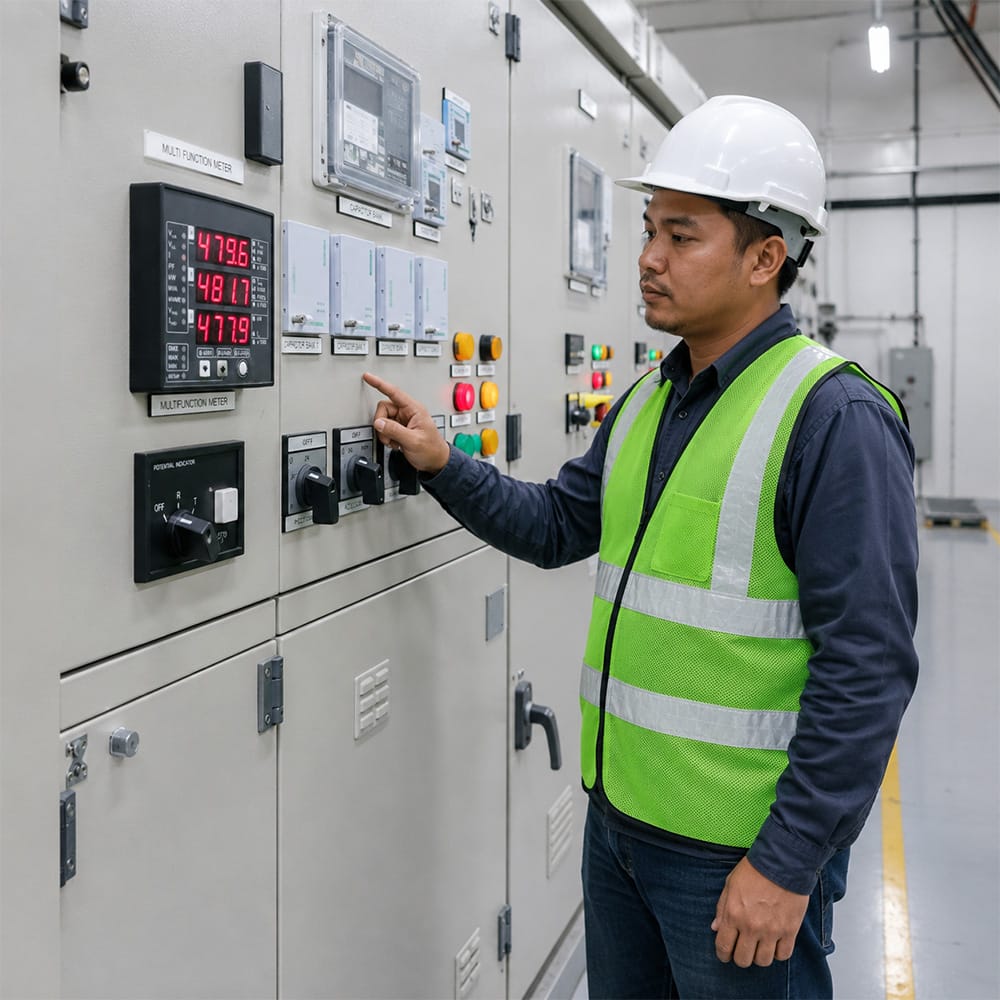
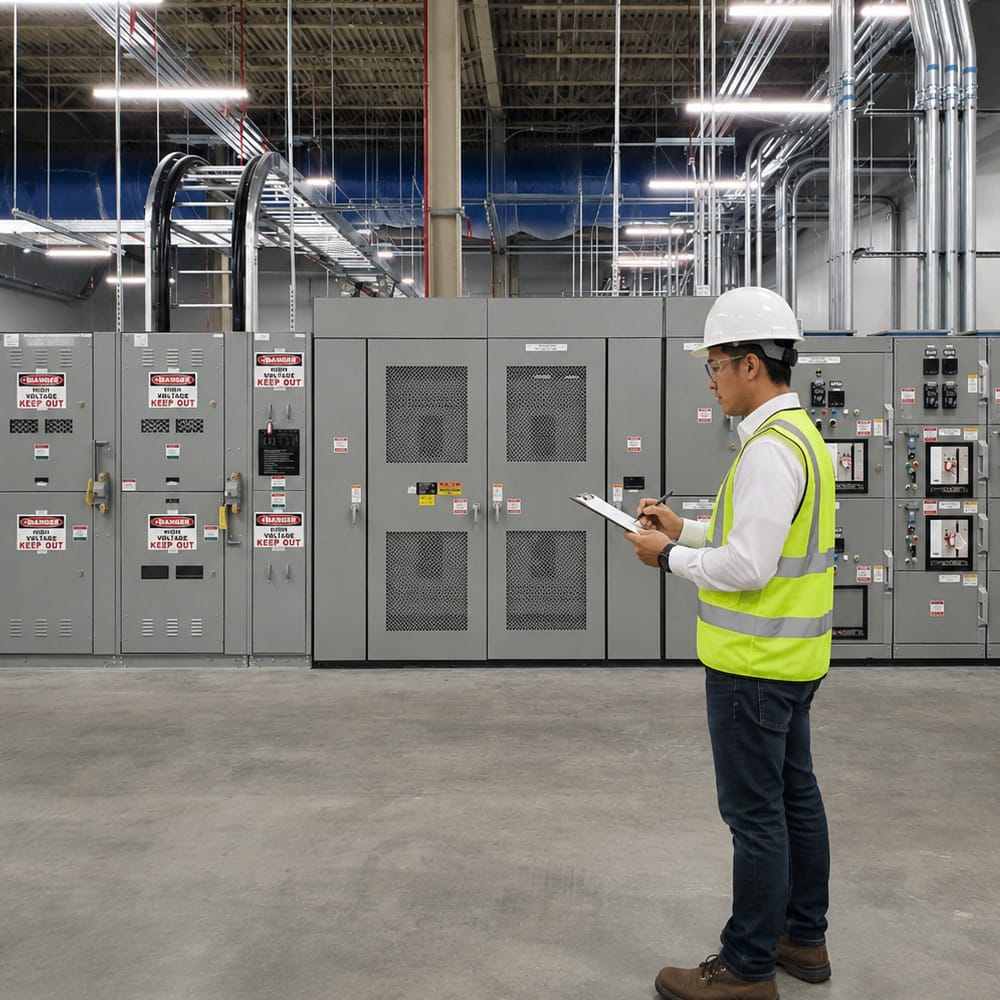
The Testing and Maintenance of Low Voltage Switchgear course is designed to equip electrical engineers, technicians, and maintenance personnel with the knowledge and skills required to ensure the safe, reliable, and efficient operation of low voltage switchgear systems.

COURSE OBJECTIVES
Participants will learn how to
- Understand the principles and components of low-voltage switchgear, including circuit breakers, contactors, and protective devices.
- Perform routine inspection and preventive maintenance to ensure system reliability and safety.
- Conduct electrical testing such as insulation resistance, continuity, and functional tests.
- Identify and diagnose common faults in low-voltage switchgear systems.
- Apply corrective maintenance procedures to restore safe and efficient operation.
- Ensure compliance with safety standards and regulations during maintenance and testing activities
WHO SHOULD JOIN?
This course is suitable and will especially benefit
- Electrical Engineers and Technicians
- Maintenance and Reliability Personnel
- Plant Operators and Supervisors
- Industrial Electricians
- QA/QC and Inspection Professionals
- Facility and Maintenance Managers
- Professionals involved in electrical system maintenance
COURSE METHODOLOGY
This course is delivered using a practical and hands-on approach, including
- Instructor-led technical sessions
- Practical demonstrations of testing equipment
- Real-world case studies and fault analysis
- Interactive discussions and group exercises
- Hands-on practice with testing and maintenance procedures
COURSE DURATION
COURSE CERTIFICATES
Participants will be awarded a Certificate of Completion after finishing the required contact hours.
FAQS
What is low-voltage switchgear?
Low-voltage switchgear refers to electrical equipment used to control, protect, and isolate electrical circuits operating at low voltage levels.
What tests are covered in this course?
Tests include insulation resistance, continuity testing, and functional performance checks.
Do I need prior electrical experience?
Basic electrical knowledge is recommended for a better understanding.
Is this course practical?
Yes, it includes hands-on demonstrations and real-world troubleshooting techniques.
Which industries benefit from this training?
Industries such as manufacturing, power plants, construction, and oil & gas benefit from this course
Have questions about our training programs or need a customized corporate solution?